Programs Offered

The Department of Computer Science & Engineering offers four JNTUK-affiliated undergraduate programs: a four-year B.Tech in Computer Science & Engineering (sanctioned intake 300), a B.Tech in Computer Science & Design (CSD, sanctioned intake 60), a B.Tech in AI & ML (sanctioned intake 240), and a B.Tech in CSE (IoT, Cyber Security & Blockchain Technology, sanctioned intake 60), alongside a postgraduate program: a two-year M.Tech in Computer Science & Technology. These programs are designed to produce industry-ready professionals with deep fundamentals, design thinking, and strong ethical practice.

Our Programs

B.Tech — Computer Science & Engineering

The Program Educational Objectives (PEOs) define the career and professional accomplishments that our B.Tech Computer Science & Engineering program is designed to help graduates achieve within a few years after graduation. These objectives guide our curriculum and ensure alignment with industry needs and societal expectations.

  • Graduates will become significant contributors to the computer industry with strong basic and specialised knowledge in computer science and engineering, blended with mathematics and modern technologies.
  • Graduates will have the adequate knowledge and technical skills required for continuous education, advanced research, and lifelong learning.
  • Graduates will become socially responsible computing professionals and entrepreneurs, demonstrating effective communication, presentation, teamwork, leadership, and professional ethics.

Program Outcomes (POs) describe the knowledge, skills, and attributes that students will acquire by the time of graduation. They are aligned with national accreditation standards and ensure our graduates are well-prepared for professional practice in software and computing.

  • Engineering Knowledge: Apply knowledge of mathematics, science, engineering fundamentals, and a computing specialisation to solve complex engineering problems.
  • Problem Analysis: Identify, formulate, review research literature, and analyse complex engineering problems reaching substantiated conclusions.
  • Design & Development: Design solutions for complex engineering problems and components that meet specified needs with consideration of public health, safety, cultural, societal, and environmental factors.
  • Investigation: Use research-based knowledge and methods including design of experiments, analysis and interpretation of data, and synthesis of information to provide valid conclusions.
  • Modern Tool Usage: Create, select, and apply appropriate techniques, resources, and modern engineering and IT tools, including prediction and modelling.
  • The Engineer & Society: Apply reasoning informed by contextual knowledge to assess societal, health, safety, legal, and cultural issues.
  • Environment & Sustainability: Understand the impact of professional engineering solutions in societal and environmental contexts and demonstrate sustainable development practices.
  • Ethics: Apply ethical principles and commit to professional responsibilities and norms of the engineering practice.
  • Individual & Team Work: Function effectively as an individual and as a member or leader in diverse, multidisciplinary teams.
  • Communication: Communicate effectively on complex engineering activities through reports, design documentation, and presentations.
  • Project Management & Finance: Demonstrate knowledge of engineering and management principles, and apply these to manage projects in multidisciplinary environments.
  • Lifelong Learning: Recognise the need for, and have the preparation and ability to engage in independent and lifelong learning in a context of technological change.

Program Specific Outcomes (PSOs) are the specialised competencies that distinguish our Computer Science & Engineering program. These focus on the unique technical and professional capabilities that graduates develop through our curriculum and laboratory experiences.

  • Ability to apply in-depth problem solving and programming skills to design and implement efficient software solutions.
  • Ability to collaboratively develop software solutions for trans-disciplinary engineering problems using modern tools and frameworks.
  • Ability to design and integrate hardware and software components for the advancement of computing technology.

B.Tech — AIML

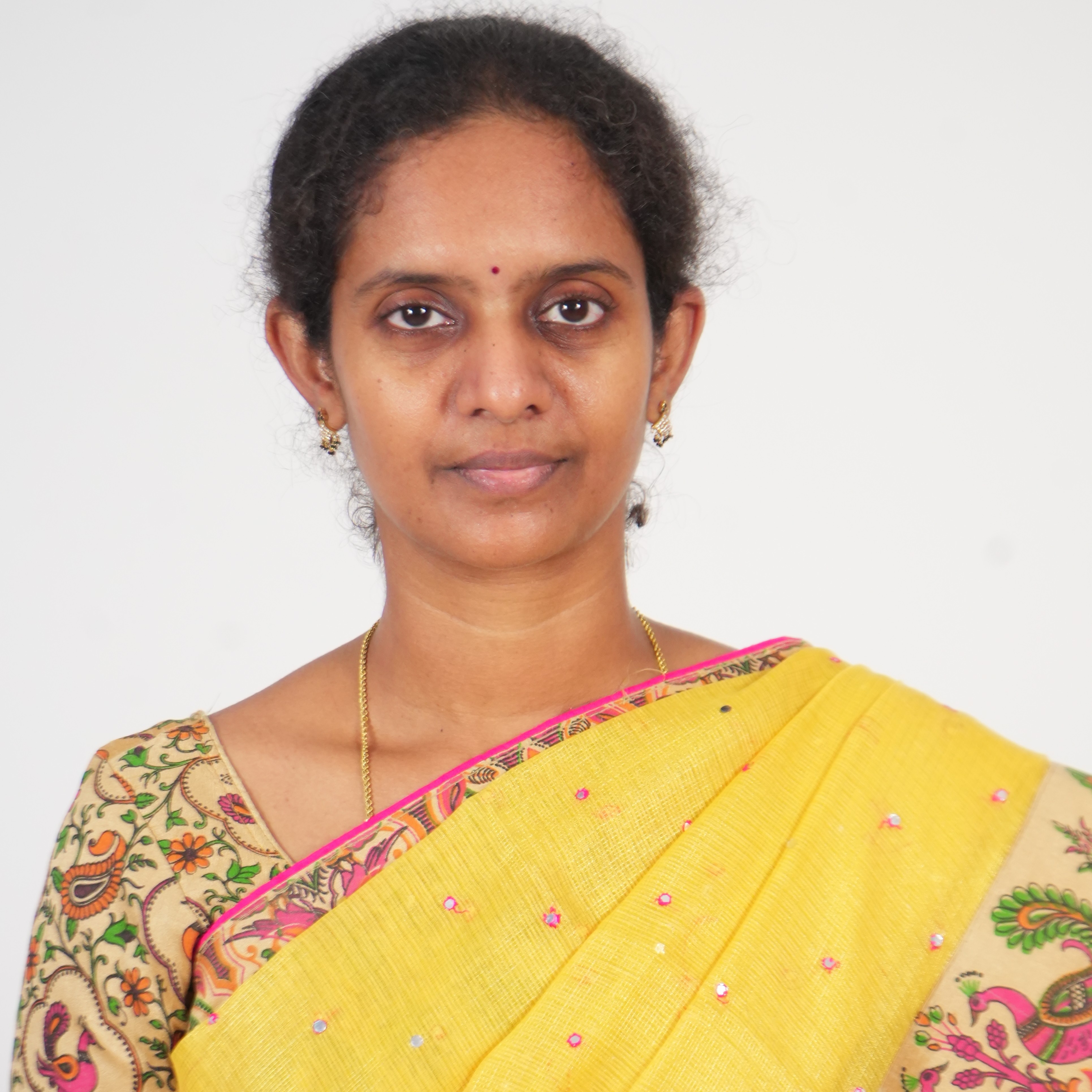
Department message image
Dr. G N V G Sirisha

Program Coordinator

Vision

To envision a diverse, stimulating, continually improving academic and research environment to fulfill the needs of the society and to mould students as socially responsible and competent professionals in the field of computer science and engineering.


Mission

  • To provide a strong theoretical and practical background across the computer science and engineering discipline with an emphasis on software development.
  • To impart modern technologies with industrial, academic and research collaboration.
  • To inculcate professional behavior, strong ethical values, leadership abilities and impart the skills necessary to continue education for professional growth.

The Program Educational Objectives (PEOs) describe the career and professional accomplishments that our B.Tech AIDS graduates are expected to attain within a few years of graduation. They guide curriculum design and ensure alignment with industry expectations.

  • To prepare knowledgeable graduates in computer science and engineering with specialized skills in Internet of Things and Cyber security including Block chain Technology.
  • To prepare graduates as lifelong learners and researchers.
  • To prepare graduates to be socially responsible professionals with ethical attitude, team spirit, leadership qualities and effective communication skills.

Program Outcomes (POs) describe the knowledge, skills and attributes that students acquire by the time of graduation. They are aligned with NBA / Washington Accord outcomes and ensure our graduates are well prepared for professional practice in information technology.

  • Engineering Knowledge: Apply mathematics, science and computing fundamentals to information technology problems.
  • Problem Analysis: Identify, formulate and analyse complex IT problems using first principles of computing and software engineering.
  • Design & Development: Design software, web, cloud and mobile solutions that meet specified needs with appropriate consideration for safety, security and sustainability.
  • Investigation: Use research-based methods, including design of experiments and analysis of data, to draw valid conclusions.
  • Modern Tools: Use modern programming languages, frameworks, cloud platforms and devops tools effectively in engineering practice.
  • Engineer & Society: Apply reasoning to assess societal, health, safety, legal and cultural issues relevant to IT systems.
  • Sustainability: Understand the impact of IT solutions on society and the environment, and the need for sustainable development.
  • Ethics: Apply ethical principles and norms of professional practice in computing.
  • Teamwork: Function effectively as an individual and as a member or leader in diverse, multidisciplinary teams.
  • Communication: Communicate effectively through reports, design documents, presentations and code reviews.
  • Project Management: Apply software engineering and project management principles in multi-disciplinary environments.
  • Lifelong Learning: Recognise the need for, and engage in, independent and lifelong learning in a rapidly changing technological landscape.

Program Specific Outcomes (PSOs) are the specialised competencies that distinguish our Information Technology graduates. They focus on the practical, industry-aligned skills students develop through our curriculum, laboratories and project work.

  • PSO 1: Ability to apply various tools related to IoT applications, Cyber Security solutions including Blockchain Technology.
  • PSO 2: Ability to design and develop various applications using IoT and Cyber Security to provide solutions to real world problems.

B.Tech — CSE (IOT)

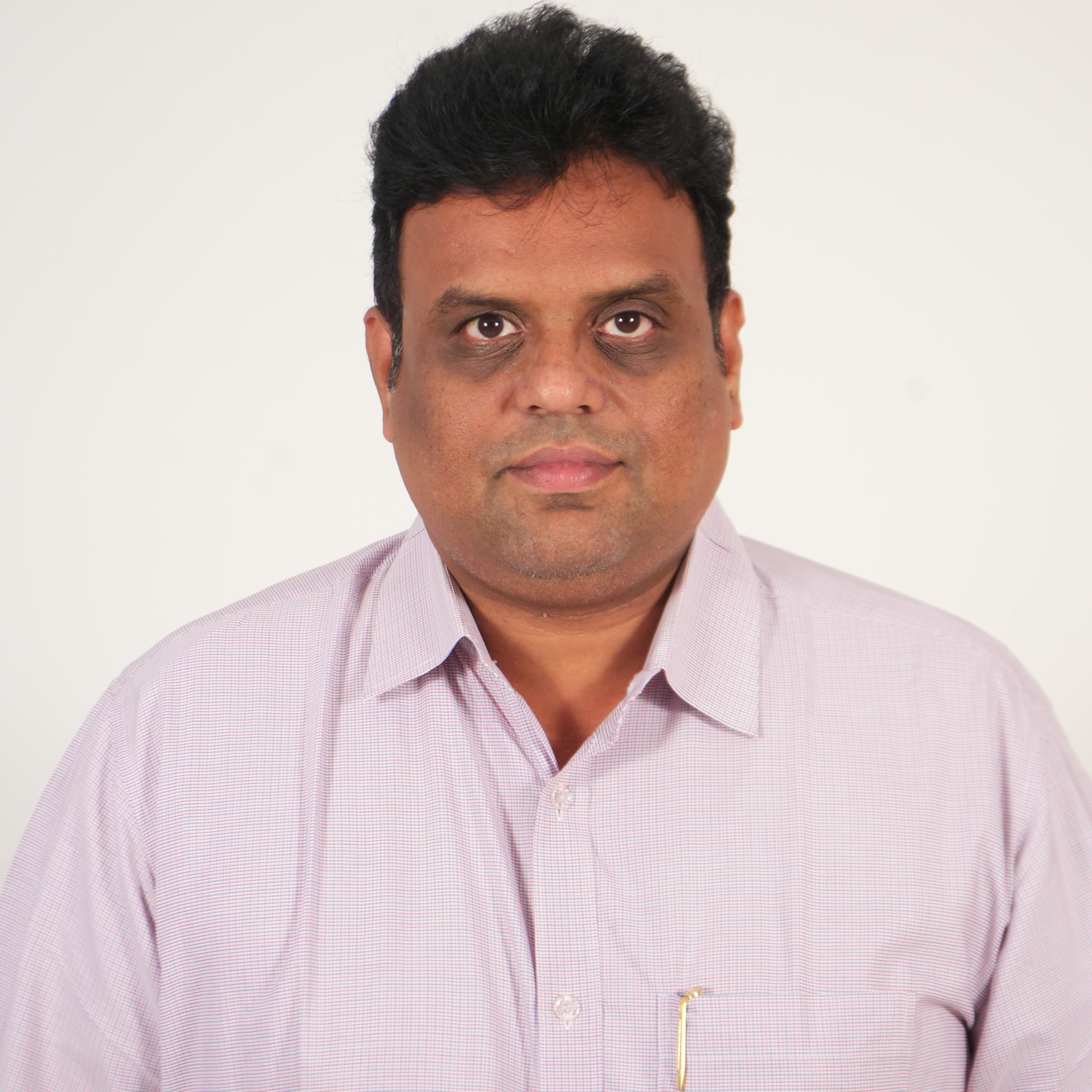
Department message image
Dr. K.V.Krishnam Raju

Program Coordinator

Vision

To envision a diverse, stimulating, continually improving academic and research environment to fulfill the needs of the society and to mould students as socially responsible and competent professionals in the field of computer science and engineering.


Mission

  • To provide a strong theoretical and practical background across the computer science and engineering discipline with an emphasis on software development.
  • To impart modern technologies with industrial, academic and research collaboration.
  • To inculcate professional behavior, strong ethical values, leadership abilities and impart the skills necessary to continue education for professional growth.

The Program Educational Objectives (PEOs) describe the career and professional accomplishments that our B.Tech AIDS graduates are expected to attain within a few years of graduation. They guide curriculum design and ensure alignment with industry expectations.

  • To prepare knowledgeable graduates in computer science and engineering with specialized skills in Internet of Things and Cyber Security, including Blockchain Technology.
  • To prepare graduates as lifelong learners and researchers.
  • To prepare graduates to be socially responsible professionals with ethical attitude, team spirit, leadership qualities, and effective communication skills.

Program Outcomes (POs) describe the knowledge, skills and attributes that students acquire by the time of graduation. They are aligned with NBA / Washington Accord outcomes and ensure our graduates are well prepared for professional practice in information technology.

  • Engineering Knowledge: Apply mathematics, science and computing fundamentals to information technology problems.
  • Problem Analysis: Identify, formulate and analyse complex IT problems using first principles of computing and software engineering.
  • Design & Development: Design software, web, cloud and mobile solutions that meet specified needs with appropriate consideration for safety, security and sustainability.
  • Investigation: Use research-based methods, including design of experiments and analysis of data, to draw valid conclusions.
  • Modern Tools: Use modern programming languages, frameworks, cloud platforms and devops tools effectively in engineering practice.
  • Engineer & Society: Apply reasoning to assess societal, health, safety, legal and cultural issues relevant to IT systems.
  • Sustainability: Understand the impact of IT solutions on society and the environment, and the need for sustainable development.
  • Ethics: Apply ethical principles and norms of professional practice in computing.
  • Teamwork: Function effectively as an individual and as a member or leader in diverse, multidisciplinary teams.
  • Communication: Communicate effectively through reports, design documents, presentations and code reviews.
  • Project Management: Apply software engineering and project management principles in multi-disciplinary environments.
  • Lifelong Learning: Recognise the need for, and engage in, independent and lifelong learning in a rapidly changing technological landscape.

Program Specific Outcomes (PSOs) are the specialised competencies that distinguish our Information Technology graduates. They focus on the practical, industry-aligned skills students develop through our curriculum, laboratories and project work.

  • PSO 1: Ability to apply in-depth problem-solving and programming skills.
  • PSO 2: Ability to design, develop, and deploy AI and ML models to solve real-world problems.

B.Tech — Computer Science & Design

Vision

To be a center of excellence in computing education by fostering innovation, entrepreneurship, industry collaboration, and experiential learning, empowering students to become globally competent professionals and responsible leaders.


Mission

  • M1: To provide quality technical education through a curriculum enriched with emerging technologies, industry practices, and research opportunities.
  • M2: Promote industry interaction, internships, startup culture, and real-world project development to enhance employability and entrepreneurial skills.
  • M3: Developing socially responsible professionals with leadership, teamwork, lifelong learning, and ethical values to address global challenges.

The Program Educational Objectives (PEOs) describe the career and professional accomplishments our B.Tech CSD graduates are expected to attain within a few years of graduation.

  • PEO 1: Graduates will establish successful careers in industry, startups, higher education, or research by applying computing knowledge and professional skills.
  • PEO 2: Graduates will demonstrate innovation, entrepreneurship, and problem-solving abilities through active participation in industry projects, internships, and startup initiatives.
  • PEO 3: Graduates will exhibit leadership, ethical responsibility, effective communication, and lifelong learning to adapt to evolving technologies and societal needs.

Program Outcomes (POs) describe the technical, creative, and professional capabilities our students develop by graduation, aligned with national accreditation standards and the demands of creative-tech industries.

  • Engineering Knowledge: Apply principles of mathematics, computing, and design fundamentals to CSD problems including UX, graphics, animation, and immersive media.
  • Problem Analysis: Identify, formulate, and analyse computing and design problems through critical thinking and user research.
  • Design & Development: Design software, interactive products, games, and AR/VR experiences that meet user needs and ethical standards.
  • Investigation: Conduct user studies, usability tests, and experiments to inform design and engineering decisions.
  • Modern Tools: Use industry-standard tools (Figma, Unity, Unreal, Blender, Adobe Creative Suite, web/mobile frameworks) effectively.
  • Engineer & Society: Assess social, cultural, and accessibility implications of digital products and creative content.
  • Sustainability: Consider environmental and ethical impact in product, content, and platform design decisions.
  • Ethics: Commit to professional, design, and content-ethics principles in computing and media work.
  • Teamwork: Collaborate effectively in multidisciplinary studios with designers, developers, artists, and stakeholders.
  • Communication: Articulate ideas through writing, presentations, prototypes, and visual storytelling.
  • Project Management: Plan and ship creative-tech projects using agile methods, version control, and design ops practices.
  • Lifelong Learning: Continuously adapt to evolving tools, platforms, and trends in computing and design.

Program Specific Outcomes (PSOs) capture the unique creative-technical competencies that distinguish the CSD graduate.

  • PSO 1: Apply computing knowledge and emerging technologies to develop solutions for real-world problems.
  • PSO 2: Use industry-standard tools and practices through internships, industry interaction, and project-based learning to enhance professional skills.
  • PSO 3: Demonstrate innovation, entrepreneurship, teamwork, and leadership through startup and technology-driven activities.

M.Tech — Computer Science & Technology

The M.Tech Computer Science & Technology program (offered since 2006) is designed to develop advanced expertise in software architecture, data engineering, intelligent systems, and applied research. Our Program Educational Objectives prepare graduates for leadership roles in product engineering, R&D, and academia, with a strong emphasis on innovation.

  • Provide strong foundations in advanced concepts of computer science and engineering to formulate, analyse, and solve real-world computing problems.
  • Expose students to emerging research areas in AI, Data Science, Cyber Security, Cloud, and IoT to foster research orientation and innovation.
  • Develop competent software engineers and researchers with leadership, teamwork, lifelong learning, and ethical practice for sustained career growth.

Our M.Tech program outcomes ensure graduates possess advanced analytical and research capabilities in computing. These outcomes reflect AICTE guidelines and industry expectations for postgraduate engineers, emphasising independent research, technical writing, and specialised domain mastery.

  • Independently carry out research, investigation, and development work to solve practical computing problems.
  • Write and present a substantial technical report or research thesis.
  • Demonstrate mastery over the area of specialisation at a level higher than the bachelor programme.
  • Address societal needs through an interdisciplinary approach using advanced computing courses.
  • Gain hands-on training on the latest tools and platforms to be industry-ready or pursue advanced research.
  • Inculcate ethical practices and an understanding of professionalism, data privacy, security, and sustainability.

The Program Specific Outcomes for M.Tech CST focus on advanced competencies in modern software engineering, data science, AI/ML, and distributed systems. These outcomes ensure graduates can handle complex computing challenges and contribute to research and development in the field.

  • Advanced courses in algorithms, distributed systems, machine learning, and data engineering as per current industry and research practice.
  • Address societal and sustainability challenges through interdisciplinary courses such as AI for social good, secure systems, and large-scale data analytics.
  • Hands-on training in the latest frameworks, cloud platforms, and research tools to become industry-ready professionals and pursue advanced research.