Programs Offered

The Department of Information Technology offers JNTUK-affiliated undergraduate programs: a four-year B.Tech in Information Technology (sanctioned intake 180), a B.Tech in Computer Science & Information Technology (CSIT, sanctioned intake 120), a B.Tech in AI & Data Science (AIDS, sanctioned intake 240), and a B.Tech in CS & Business Systems (CSBS, sanctioned intake 60). These programs are designed to develop industry-ready engineers with deep fundamentals in computing, strong hands-on skills in modern web, cloud, mobile, and data technologies.

Our Programs

B.Tech — Information Technology

The Program Educational Objectives (PEOs) describe the career and professional accomplishments that our B.Tech Information Technology graduates are expected to attain within a few years of graduation. They guide curriculum design and ensure alignment with industry expectations.

  • To provide graduates with a good foundation in mathematics, sciences, Information Technology and engineering fundamentals required to solve engineering problems that will facilitate them to find employment in industry and/or to pursue postgraduate studies with an appreciation for lifelong learning.
  • To provide graduates with analytical and problem solving skills to design algorithms, hardware/software systems and inculcate professional ethics, inter-personal skills to work in a multi-cultural team.
  • To facilitate graduates get familiarized with state of the art software/hardware tools, imbibing creativity and Innovation that would enable them to develop cutting-edge technologies of multi-disciplinary nature for societal development.

Program Outcomes (POs) describe the knowledge, skills and attributes that students acquire by the time of graduation. They are aligned with NBA / Washington Accord outcomes and ensure our graduates are well prepared for professional practice in information technology.

  • Engineering Knowledge: Apply mathematics, science and computing fundamentals to information technology problems.
  • Problem Analysis: Identify, formulate and analyse complex IT problems using first principles of computing and software engineering.
  • Design & Development: Design software, web, cloud and mobile solutions that meet specified needs with appropriate consideration for safety, security and sustainability.
  • Investigation: Use research-based methods, including design of experiments and analysis of data, to draw valid conclusions.
  • Modern Tools: Use modern programming languages, frameworks, cloud platforms and devops tools effectively in engineering practice.
  • Engineer & Society: Apply reasoning to assess societal, health, safety, legal and cultural issues relevant to IT systems.
  • Sustainability: Understand the impact of IT solutions on society and the environment, and the need for sustainable development.
  • Ethics: Apply ethical principles and norms of professional practice in computing.
  • Teamwork: Function effectively as an individual and as a member or leader in diverse, multidisciplinary teams.
  • Communication: Communicate effectively through reports, design documents, presentations and code reviews.
  • Project Management: Apply software engineering and project management principles in multi-disciplinary environments.
  • Lifelong Learning: Recognise the need for, and engage in, independent and lifelong learning in a rapidly changing technological landscape.

Program Specific Outcomes (PSOs) are the specialised competencies that distinguish our Information Technology graduates. They focus on the practical, industry-aligned skills students develop through our curriculum, laboratories and project work.

  • PSO 1: Apply core Information Technologies of System Architecture, information management, programming, networking for the development of current technical concepts.
  • PSO 2: Integrate IT-based solutions into the user environment.

The curriculum is structured to balance computing fundamentals with the modern stack used in industry today, with electives that let students specialise.

  • Core: Data Structures, Algorithms, Operating Systems, DBMS, Computer Networks, OOPs, Software Engineering.
  • Web & Mobile: HTML/CSS/JS, React, Node.js, Spring Boot, Android/iOS basics, REST APIs.
  • Cloud & DevOps: AWS / Azure fundamentals, Docker, Kubernetes, Git, CI/CD, Linux administration.
  • Data: SQL, NoSQL, Big Data, Data Analytics, Introduction to Machine Learning.
  • Security: Cryptography, Information Security, Web Security, Ethical Hacking.
  • Capstone: Full-semester industry internship and a year-long major project.

B.Tech — AIDS

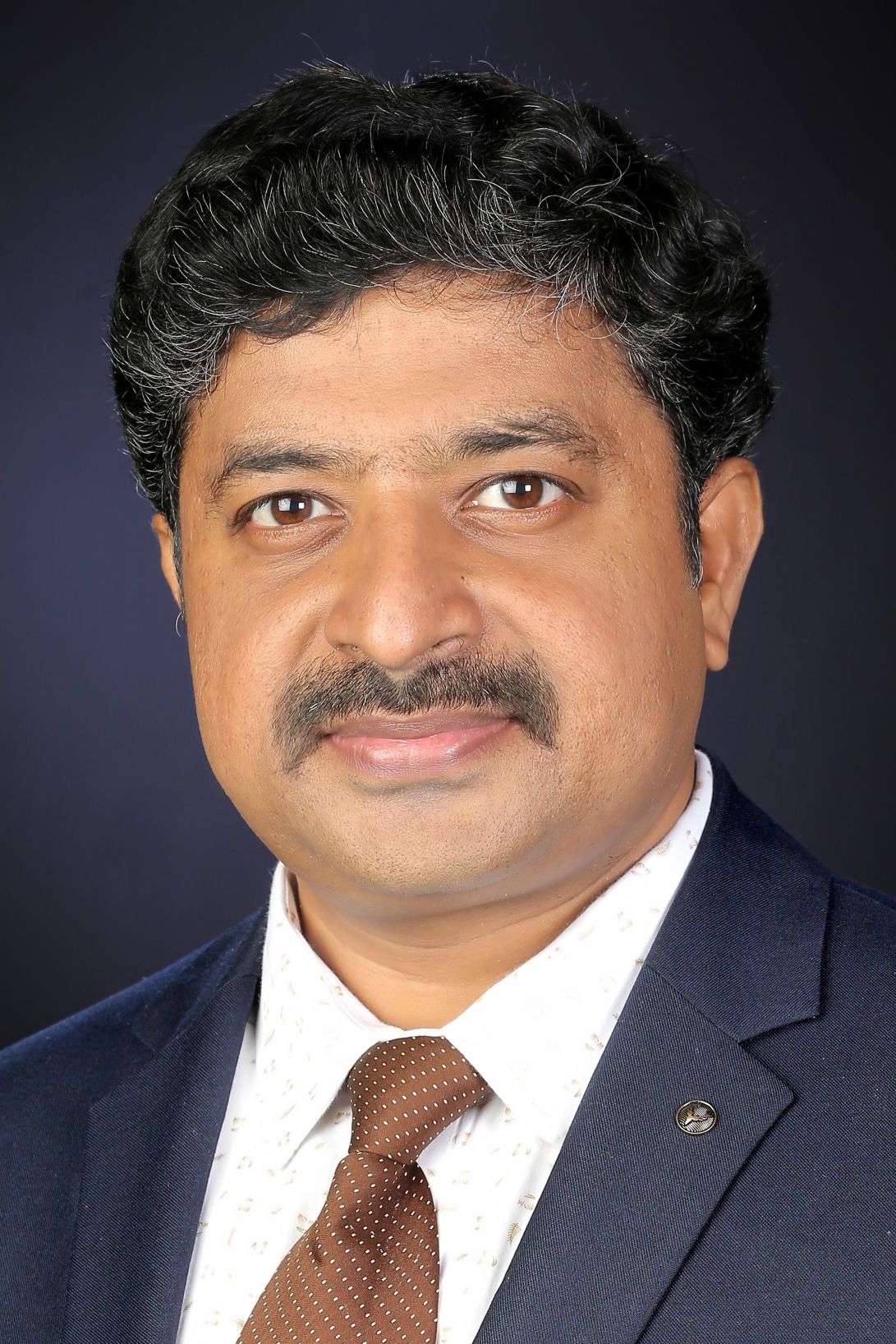
Department message image
Dr. P. Ravi Kiran Varma

Program Coordinator

Vision

To evolve as a centre of excellence and get recognized globally by adopting innovative Methods of teaching and research in the field of Artificial intelligence and Data science To meet Societal needs.


Mission

  • The highest quality technology based education and services in the most effective manner.
  • Maintain a vital, state-of-art research to provide its students and faculty with opportunities to create, interpret, apply and disseminate knowledge.
  • Empower students towards higher education, Research and becoming Entrepreneur / Employee and meet intellectual, ethical, carrier challenges and community service.

The Program Educational Objectives (PEOs) describe the career and professional accomplishments that our B.Tech AIDS graduates are expected to attain within a few years of graduation. They guide curriculum design and ensure alignment with industry expectations.

  • Graduates will be able to build intelligent machines inculcated with software and innovation for diversified fields with a cutting edge combination of Artificial Intelligence, Machine Learning, Data Analytics and Visualization techniques.
  • Graduates will be able to adapt new technologies and develop solutions to real world interdisciplinary problems while practicing ethical values, thereby contributing to human society.
  • Graduates will be able to carry out research in advanced areas of Artificial Intelligence and Data Science, lead a successful professional life in industry or government, and be an entrepreneur with a lifelong learning attitude.

Program Outcomes (POs) describe the knowledge, skills and attributes that students acquire by the time of graduation. They are aligned with NBA / Washington Accord outcomes and ensure our graduates are well prepared for professional practice in information technology.

  • Engineering Knowledge: Apply mathematics, science and computing fundamentals to information technology problems.
  • Problem Analysis: Identify, formulate and analyse complex IT problems using first principles of computing and software engineering.
  • Design & Development: Design software, web, cloud and mobile solutions that meet specified needs with appropriate consideration for safety, security and sustainability.
  • Investigation: Use research-based methods, including design of experiments and analysis of data, to draw valid conclusions.
  • Modern Tools: Use modern programming languages, frameworks, cloud platforms and devops tools effectively in engineering practice.
  • Engineer & Society: Apply reasoning to assess societal, health, safety, legal and cultural issues relevant to IT systems.
  • Sustainability: Understand the impact of IT solutions on society and the environment, and the need for sustainable development.
  • Ethics: Apply ethical principles and norms of professional practice in computing.
  • Teamwork: Function effectively as an individual and as a member or leader in diverse, multidisciplinary teams.
  • Communication: Communicate effectively through reports, design documents, presentations and code reviews.
  • Project Management: Apply software engineering and project management principles in multi-disciplinary environments.
  • Lifelong Learning: Recognise the need for, and engage in, independent and lifelong learning in a rapidly changing technological landscape.

Program Specific Outcomes (PSOs) are the specialised competencies that distinguish our Information Technology graduates. They focus on the practical, industry-aligned skills students develop through our curriculum, laboratories and project work.

  • PSO 1: Ability to develop best inter-disciplinary skills that inseminate diverse, constructive, data based and intelligent decision making.
  • PSO 2: Ability to apply Artificial Intelligence and Data Science technologies for solving real time complex problems with computational knowledge, innovation and ethics for betterment of society and nation.

B.Tech — CSBS

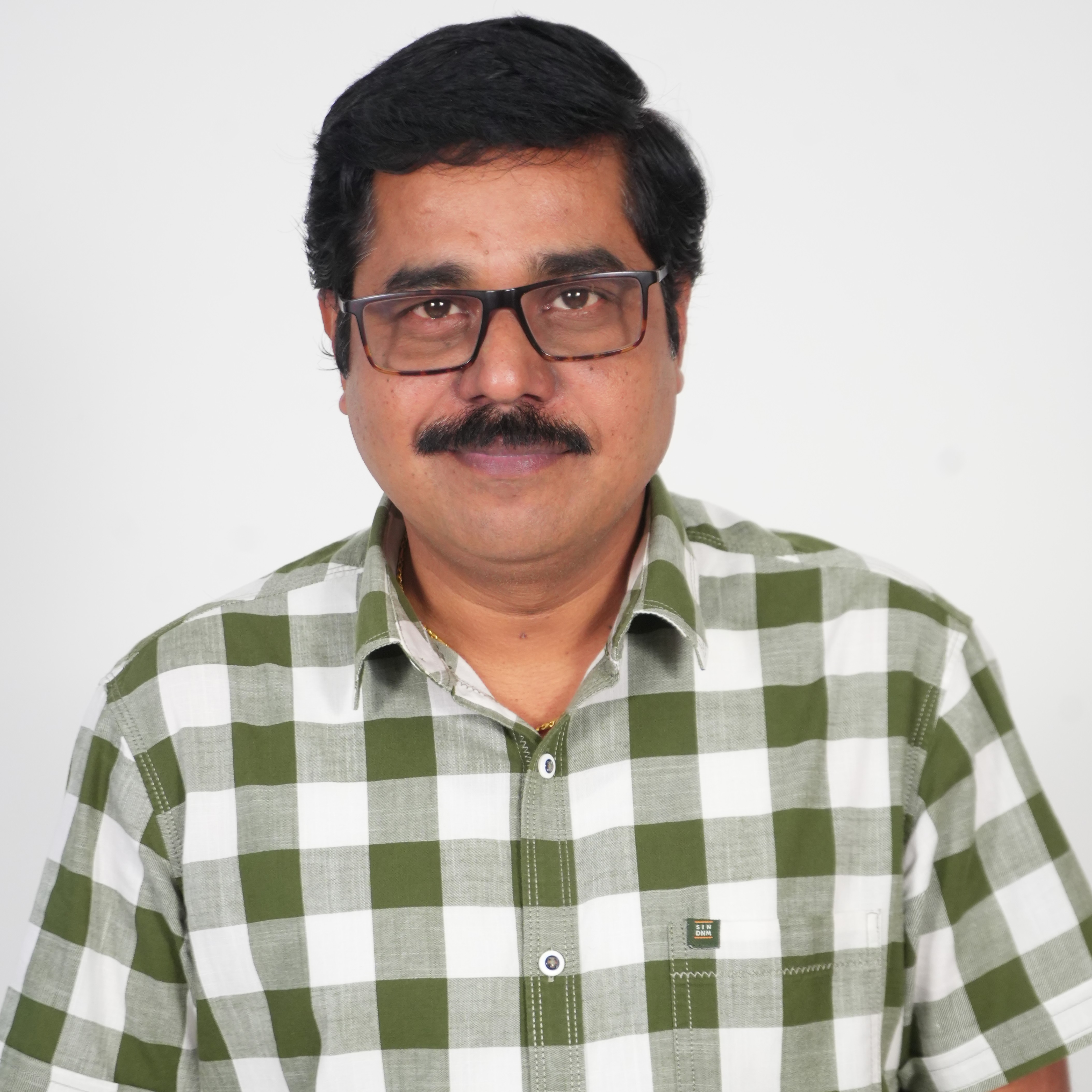
Department message image
Dr. B.V.D.S.Sekhar

Professor & Program Coordinator

Vision

To become as a centre of excellence to produce industry ready professionals by imparting innovative methods for Teaching-Learning and Research in Computer Science with business applications and human values.


Mission

  • To impart high technical knowledge in fundamentals, practical skills and creative design thinking in Computer Science with business applications.
  • Incubate state-of-the-art research methods to encourage innovative research through collaborating with relevant industries.
  • To promote the contemporary digital technology of business discipline and Service Orientation through social and Ethical relevance.

The Program Educational Objectives (PEOs) describe the career and professional accomplishments that our B.Tech Information Technology graduates are expected to attain within a few years of graduation. They guide curriculum design and ensure alignment with industry expectations.

  • To provide graduates with various state-of-the-art technical and managerial skills by solving real-world business problems using core computer science, mathematics, statistics and basic engineering sciences with IT management.
  • To develop professional and management skills for employment and for higher education in contemporary areas in Computer Science and Business Systems.
  • To expose graduates to business, management and service-orientation principles and strategies aligned with their domain.

Program Outcomes (POs) describe the knowledge, skills and attributes that students acquire by the time of graduation. They are aligned with NBA / Washington Accord outcomes and ensure our graduates are well prepared for professional practice in information technology.

  • Engineering Knowledge: Apply mathematics, science and computing fundamentals to information technology problems.
  • Problem Analysis: Identify, formulate and analyse complex IT problems using first principles of computing and software engineering.
  • Design & Development: Design software, web, cloud and mobile solutions that meet specified needs with appropriate consideration for safety, security and sustainability.
  • Investigation: Use research-based methods, including design of experiments and analysis of data, to draw valid conclusions.
  • Modern Tools: Use modern programming languages, frameworks, cloud platforms and devops tools effectively in engineering practice.
  • Engineer & Society: Apply reasoning to assess societal, health, safety, legal and cultural issues relevant to IT systems.
  • Sustainability: Understand the impact of IT solutions on society and the environment, and the need for sustainable development.
  • Ethics: Apply ethical principles and norms of professional practice in computing.
  • Teamwork: Function effectively as an individual and as a member or leader in diverse, multidisciplinary teams.
  • Communication: Communicate effectively through reports, design documents, presentations and code reviews.
  • Project Management: Apply software engineering and project management principles in multi-disciplinary environments.
  • Lifelong Learning: Recognise the need for, and engage in, independent and lifelong learning in a rapidly changing technological landscape.

Program Specific Outcomes (PSOs) are the specialised competencies that distinguish our Information Technology graduates. They focus on the practical, industry-aligned skills students develop through our curriculum, laboratories and project work.

  • PSO 1: Ability to inculcate fundamental knowledge in Basic Sciences, Computer Sciences and Business Management Sciences.
  • PSO 2: Ability to impart strong problem solving skills to design innovative software business systems with service orientation aligned with strong humanities and ethical values.

B.Tech — Computer Science & Information Technology

Vision

To be a center of excellence in computing education by fostering innovation, entrepreneurship, industry collaboration, and experiential learning, empowering students to become globally competent professionals and responsible leaders.


Mission

  • M1: To provide quality technical education through a curriculum enriched with emerging technologies, industry practices, and research opportunities.
  • M2: Promote industry interaction, internships, startup culture, and real-world project development to enhance employability and entrepreneurial skills.
  • M3: Developing socially responsible professionals with leadership, teamwork, lifelong learning, and ethical values to address global challenges.

The Program Educational Objectives (PEOs) describe the career and professional accomplishments that our B.Tech CSIT graduates are expected to achieve within a few years of graduation.

  • PEO 1: Graduates will establish successful careers in industry, startups, higher education, or research by applying computing knowledge and professional skills.
  • PEO 2: Graduates will demonstrate innovation, entrepreneurship, and problem-solving abilities through active participation in industry projects, internships, and startup initiatives.
  • PEO 3: Graduates will exhibit leadership, ethical responsibility, effective communication, and lifelong learning to adapt to evolving technologies and societal needs.

Program Outcomes (POs) define the knowledge, skills and attributes our students acquire by graduation. They are aligned with NBA / NEP guidelines and reflect the expectations of modern technology employers.

  • Engineering Knowledge: Apply mathematics, computing fundamentals and IT principles to solve complex engineering problems.
  • Problem Analysis: Identify, formulate and analyse computing problems using algorithmic and data-driven reasoning.
  • Design & Development: Design software systems and IT solutions that meet specified requirements with attention to performance, scalability and security.
  • Investigation: Use research methods including literature review, experimentation and data analysis to derive valid conclusions.
  • Modern Tools: Apply modern engineering and IT tools — version control, cloud platforms, CI/CD pipelines, ML frameworks — with an understanding of their limitations.
  • Engineer & Society: Assess societal, legal and cultural issues relevant to computing practice.
  • Sustainability: Build systems that consider environmental impact, energy efficiency and long-term maintainability.
  • Ethics: Practise professional ethics including responsible AI, data privacy and cybersecurity.
  • Teamwork: Function effectively as members and leaders of diverse, cross-functional engineering teams.
  • Communication: Communicate clearly in writing, code reviews and presentations to both technical and non-technical audiences.
  • Project Management: Apply engineering and management principles to plan, execute and deliver software projects on time and within budget.
  • Lifelong Learning: Engage in continuous self-learning to keep pace with rapidly evolving technology.

The Program Specific Outcomes (PSOs) reflect the unique technical capabilities developed by our B.Tech CSIT graduates.

  • PSO 1: Apply computing knowledge and emerging technologies to develop solutions for real-world problems.
  • PSO 2: Use industry-standard tools and practices through internships, industry interaction, and project-based learning to enhance professional skills.
  • PSO 3: Demonstrate innovation, entrepreneurship, teamwork, and leadership through startup and technology-driven activities.

A 4-year, 8-semester JNTUK-affiliated B.Tech with a mix of core, professional elective and open elective courses, capped by a full-semester industry internship and capstone project.

  • Year 1: Engineering Mathematics, Programming in C, Python, Engineering Physics & Chemistry, Communicative English.
  • Year 2: Data Structures, OOP with Java, Discrete Mathematics, Computer Organization, DBMS, Operating Systems.
  • Year 3: Computer Networks, Software Engineering, Web Technologies, AI & ML, Cryptography & Network Security, Cloud Computing.
  • Year 4: DevOps, Mobile App Development, Big Data Analytics, Generative AI Electives, Industry Internship & Capstone Project.